Blog

Your blog category

Why Are Freight Rates So Low Right Now?

Why Are Freight Rates So Low Right Now?

If you’re an owner-operator or fleet manager, you’re not imagining things—freight rates in 2025 are still painfully low. Despite high fuel and insurance costs, average spot market rates have dropped below operating expenses. The Freight Rate Freefall: What’s Going On? The freight market is broken. Most loads pay far below operating costs. Owner-operators are running at a loss, while mega carriers survive on high volumes. “I hauled a reefer load from Texas to Georgia for $1.65 a mile. It barely covered my diesel cost per mile.” The Heartbeat of the Trucking Economy Freight rates serve as a vital indicator for the economy. When they’re flatlining, it’s a sign of bigger problems. A Brief Look Back: The Pandemic Freight Boom In 2020-21, rates hit record highs. Trucks were in demand, and capacity was tight. But that surge led to an influx of new carriers and trucks. Now, we’re seeing the crash. Too Many Trucks, Not Enough Loads With so many trucks chasing fewer loads, the math doesn’t add up. This is the core issue of the trucking recession. The Load-to-Truck Ratio Is Crashing The load-to-truck ratio is crashing across all equipment types, with dramatic drops since the 2021 freight boom. Equipment Type Peak Load-to-Truck (2021) Current (2025) Dry Van 6.2:1 1.6:1 Reefer 10.1:1 2.2:1 Flatbed 85:1 6.5:1 Spot Market Blues: The Collapse That Hurts the Most The spot market is in shambles. Small fleets and new authorities rely on spot loads, and those rates have crashed. Mega Carriers vs. Owner-Operators Mega carriers have leverage. They’ve got contracts, dedicated lanes, and volume discounts. Independent drivers? Not so much. The Rise of Digital Freight Platforms Apps like Uber Freight and DAT have changed the game, offering easier access, but at the cost of increased competition and reduced rate transparency. Shippers Calling the Shots Shippers now have the upper hand. High capacity gives them options—and they’re choosing the cheapest ones. Consumer Demand Is Slowing Down People are spending less, especially on physical goods. Retailers Are Still Sitting on Inventory Warehouses are full. Until they move this stock, there’s no reason to restock. Imports Are Drying Up at U.S. Ports Shipping volumes at major ports like LA, Long Beach, and Savannah have dipped. The Domino Effect of Rising Interest Rates The Fed’s rate hikes have stalled growth in housing, manufacturing, and retail. Fuel Prices Still High, But Freight Pay Is Falling Metric 2024 Avg 2025 Avg Diesel per Gallon $3.89 $3.72 Avg Spot Rate (Dry Van) $2.01 $1.58 Low freight rates in 2025 mean most hauls aren’t covering the diesel cost per mile. Bankruptcies Are Surging in the Trucking Sector FMCSA data shows over 9,000 carrier revocations this year alone. Where Did the Contract Freight Go? Many shippers abandoned long-term contracts. They’re using spot rates or short-term bids instead. Weather Disruptions Aren’t Creating Rate Spikes Winter storms, hurricanes, and even floods used to increase rates. Not anymore. The Invisible Hand of Brokers Some brokers are transparent. Others? Not so much. Government Pressure and Regulatory Costs 2025 is a prep year for the EPA 2027 emissions compliance. That means upgrades, inspections, and costs. Driver Shortage Myth or Market Reality? We don’t have a driver shortage—we have a driver turnover crisis. How Insurance Costs Are Breaking Small Fleets Insurance is often the second-highest cost after fuel. What Truckers Are Saying on the Road “I used to run 3,000 miles a week. Now I park for two days just waiting for a load worth moving.” “Freight rates are trash. We’re doing more work for less pay, plain and simple.” Can the Market Rebalance in 2025? It’s possible—but it won’t be fast. Here’s what needs to happen: Staying Afloat in a Brutal Market Smart survival strategies: FAQs: Freight Rates and Trucking Industry Trends Conclusion: The Fight for Fair Freight The freight market is in a bind, no doubt. Low rates, high costs, and fierce competition are pushing even experienced carriers to the brink. But this downturn isn’t permanent. Truckers who survive today’s challenging market will be better positioned when rates finally rebound. Now’s the time to focus on what you can control: cut unnecessary expenses, maintain strong broker or shipper relationships, and be selective about the loads you haul. It’s also a time to demand more transparency from brokers, platforms, and policymakers. Fair freight isn’t just about price. It’s about respecting the hard work that truckers put in every day. Stay focused. Stay sharp. Better lanes are ahead. Read More

Why Are Freight Rates So Low Right Now? Read More »

Highest-Paying Lanes or Loads This Year

What Are the Highest-Paying Lanes or Loads This Year?

After years of unpredictable freight markets, 2025 is bringing positive changes. With diesel prices stabilizing and shipping demand recovering in key regions, truckers have genuine opportunities to improve their profits.  However, knowing where to focus is crucial. Choosing the right freight lanes can make all the difference between barely getting by and operating a successful business. How Rate Volatility Is Creating New Opportunities “In 2025, we’re seeing old lanes dry up, and new hot routes pop up. If you’re not watching rate trends weekly, you’re leaving money on the table.” — Rick J., 10-year owner-operator. The Importance of Choosing the Right Lane in a Down Market Understanding Freight Lanes and Load Types What Makes a Lane “High Paying”? Key Load Types That Dominate the Market in 2025 Factors That Determine Load Pay in 2025 Diesel Costs and Rate Adjustments Freight Volume Trends and Hotspots FMCSA Regulations and Their Impact on Rates How Seasonality Still Affects Load Prices Construction peaks in spring/summer for flatbed loads Produce season still pays strong in California, Florida, and Georgia Top High-Paying Trucking Lanes in 2025 Lane Avg Rate/Mile Load Type Demand Level California to Texas $3.65 Produce, electronics High Florida to New Jersey $3.30 Refrigerated, retail High Illinois to Georgia $3.20 General freight Moderate Washington to Arizona $3.55 Mixed loads High New York to Illinois $3.75 Expedited Very High Texas to California $3.60 Flatbed, oil tools High Specialized Loads That Command Premium Rates Oversized and Heavy Haul Hazmat Loads Reefer Loads Expedited Freight Power Lanes for Owner-Operators in 2025 Which Lanes Give You the Best Net Profit per Mile? Where Company Drivers Should Avoid and Why Profit-Per-Load vs. Cost-Per-Mile Highest Paying Loads by Equipment Type Dry Van Flatbed Reefer Power-Only Tanker How Load Boards and Brokers Are Influencing Top Lanes The Rise of AI Load Boards and Dynamic Pricing  Tools such as DAT IQ and Truckstop Pro now predict fluctuations in lane rates.  Why Broker Relationships Matter More Than Ever  Having dedicated loads leads to better terms for brokers.  Spot Market vs. Contracted Freight  The spot market offers quick cash flow, while contracted freight provides a consistent source of income.  Seasonal Load Opportunities Truckers Should Watch Harvest Season Hotspots Holiday Shipping Construction Season Hidden Gem Lanes Most Drivers Overlook Rural-to-Urban Supply Lanes Return Lanes That Pay More How to Find and Secure High-Paying Loads Effectively Using Load Boards: Prioritise filtering by rate per mile rather than total pay.  Utilizing Dispatchers and Digital Tools, Employ ELD-based platforms for automated suggestions.  Cultivating Relationships with High-Paying Shippers. Repeat business leads to fewer deadhead miles. The Role of Certifications and Endorsements CDL Upgrades That Open Higher-Paying Doors Why TWIC, Hazmat, and Tanker Endorsements Matter Freight Rate Forecast for the Second Half of 2025 Where Rates Are Rising Fast Predicting Lane Shifts Due to Global Supply Changes Challenges in High-Paying Lanes Increased Competition Regulatory Hurdles Trucking Insurance Costs Trucker Tips to Maximise Profits on High-Paying Routes Fuel Efficiency and Route Planning Avoiding Empty Miles Tools and Apps Every Trucker Needs in 2025 Best Freight Apps for Lane Optimisation Real-Time Rate Trackers Voices from the Road: Insights from High-Earning Drivers What Successful Owner-Operators Are Doing Differently The #1 Advice from Drivers Who Found Their Golden Lane Conclusion: Turning Knowledge Into Profit in 2025 In 2025, the trucking industry will be both challenging and full of hidden goldmines. While low freight rates and FMCSA carrier revocations have shaken the market, truckers who understand lane strategy, monitor diesel cost per mile, and pursue high-paying load types can still thrive. Whether you’re an owner-operator battling tight margins or a fleet owner trying to optimize routes, success lies in being informed and adaptable. Focus on lanes with consistent demand, invest in the proper certifications like hazmat and tanker endorsements, and stay plugged into load boards and industry data. The landscape has shifted—but so have the opportunities. If you’re ready to beat the trucking recession and secure a steady income, now is the time to act. Smart decisions today will lead to bigger profits tomorrow. Keep rolling, stay safe, and always be ready to adjust your strategy. Frequently Asked Questions (FAQs)

What Are the Highest-Paying Lanes or Loads This Year? Read More »

How Do I Get a DOT Number and MC Authority?

How Do I Get a DOT Number and MC Authority?

Starting your own trucking business? Obtaining a DOT number and MC authority is one of the first—and most important—steps to ensure you are rolling legally. Whether you’re an owner-operator, fleet owner, or about to launch your authority, we’ll walk you through every piece of the process like you’re sitting across the booth at a truck stop diner. This guide cuts through the red tape and provides you with clear instructions on what to do, when to do it, and how to stay compliant once you’re on the road. If you are starting your Trucking Business, you can contact us for dispatch services. We also provide our own authority if you don’t have documents What Is a DOT Number and Why Do You Need One? Understanding the role of the Department of Transportation (DOT) The DOT number is like your truck’s fingerprint—issued by the Federal Motor Carrier Safety Administration (FMCSA), it identifies your vehicle during inspections, compliance checks, audits, and crash investigations. When a DOT number is legally required You need a DOT number if you: Intrastate vs Interstate requirements If you only drive within one state, check local rules—some states (like Texas and California) require DOT numbers for intrastate carriers, too. What Is an MC Authority and Who Needs It? What is Motor Carrier Authority in plain English? MC authority is your permission slip from FMCSA to haul loads-for-hire across state lines. When the MC authority becomes mandatory You need it if you plan to: Examples of carriers who need both DOT and MC DOT vs MC: What’s the Real Difference? Feature DOT Number MC Authority Purpose Safety tracking Operating authority to haul for-hire Who needs it? Most commercial vehicles For-hire carriers crossing state lines Cost Free $300 (non-refundable) Issued by FMCSA FMCSA Linked with insurance? Yes Yes Final Line: DOT is about safety. MC is about permission to get paid. Before You Apply: Are You Eligible? Business structure matters Before applying, establish your business as: This ensures you’re legally ready for contracts, insurance, and taxes. Insurance and financial readiness You’ll need liability and cargo insurance on file with FMCSA before authority is granted. Quick readiness checklist ✔ Legal business entity✔ EIN (Employer Identification Number)✔ Business bank account✔ CDL (if driving yourself)✔ DOT-compliant vehicle Getting Your MC Authority: The Application Process Step 1: File the OP-1 form through URS Select the operating authority type you need (e.g., motor carrier of property). Step 2: Pay the $300 application fee Non-refundable. Per authority type. Step 3: Wait for your docket number You’ll get this number while your application is under review. Step 4: Complete additional filings (insurance, BOC-3) You have 21 days from the application date to file insurance and BOC-3. Don’t Skip This: BOC-3 Filing (Designation of Process Agent) What is a BOC-3? A BOC-3 designates a legal agent in every state to accept court papers on your behalf. How to file it Use a BOC-3 filing service (required by FMCSA). Costs typically range from $25 to $50. It must be filed electronically—paper forms are not accepted. Insurance Requirements: What You’ll Need to Carry Minimum FMCSA insurance requirements Common policies Tips for lower premiums How Long Does It Take to Get a DOT Number and MC Authority? Typical timeline: Task Time Needed DOT Number Issuance Instantly MC Authority Application Review ~21 days Insurance & BOC-3 Approval 2–3 weeks (avg.) Total Time to Operate Legally 3–4 weeks (realistically) Delays can happen if: Do You Need a UCR (Unified Carrier Registration)? What is UCR? UCR is an annual registration fee based on fleet size. Applies to: All carriers operating interstate (with or without MC authority). Annual UCR Fee Table: Fleet Size UCR Fee (Approx.) 0–2 $41 3–5 $121 6–20 $242 Drug and Alcohol Testing Program Compliance Who must enroll? All CDL drivers operating vehicles over 26,000 lbs or transporting hazmat. Requirements include: Join a consortium if you’re a solo operator—costs around $100–$150 per year. Safety Audit: What Happens After Approval? New Entrant Safety Audit Within 12 months of MC activation, the FMCSA will conduct an audit of your business. They’ll check: Tip: Keep everything clean and organized from day one. Getting Your IFTA and IRP for Multi-State Operation What is IFTA? The International Fuel Tax Agreement simplifies reporting for fuel tax across state lines. What is IRP? The International Registration Plan provides you with apportioned license plates. How to register: File quarterly reports or face significant penalties. Common Mistakes That Can Delay or Deny Your Application Triple-check everything before you submit. What to Do If Your Application Is Rejected Why applications get denied: Fix it fast: Still stuck? Consider hiring a registration expert—it’s well worth it to avoid weeks of downtime. How Much Does It Cost to Get a DOT Number and MC Authority? Item Estimated Cost DOT Number Free MC Authority Application $300 BOC-3 Filing $25–$50 UCR Registration $41–$1,200+ Insurance Premium $5,000–$12,000+/yr Drug Testing Consortium $100–$150/year Tip: Set aside $3,000–$5,000 to cover your startup registration and early compliance costs. Can You Apply for DOT and MC Authority on Your Own? Yes, but… It’s doable, but it can be confusing if you’re new to the process. Pros of DIY: Cons of DIY: Third-party services charge $300–$600 but handle everything for you. Staying Compliant After You’re Approved Frequently Asked Questions (FAQs) Conclusion: Your Road to DOT and MC Authority Starts Here Obtaining your DOT number and MC authority is the first significant step toward becoming your boss in the trucking industry. It might feel overwhelming at first, but once you break it down, the process is straightforward and entirely within your reach. From filing the MCS-150 to submitting your BOC-3 and insurance, every step brings you closer to hauling legally and profitably. Whether you’re launching a one-truck operation or building a growing fleet, staying compliant with FMCSA regulations ensures your business stays on the road long-term. Remember:✔ Apply smart✔ File everything on time✔ Keep your records clean✔ Invest in compliance tools If you’re ready to take action under your authority, now’s the time

How Do I Get a DOT Number and MC Authority? Read More »

Freight Broker vs Dispatcher

Freight Broker vs Dispatcher: Salary, Roles, and How to Start Your Career

The transportation industry offers exciting opportunities for those looking to manage logistics without owning a single truck. Two popular career paths are freight brokers and dispatchers. While they often work closely together, their roles, salaries, and career paths are quite different. Let’s break it down — and explore how you can become a freight broker and dispatcher, even online! Freight Broker vs Dispatcher: What’s the Difference? A freight broker acts as a middleman between shippers (who need to transport goods) and carriers (who have the trucks to move them). Brokers negotiate rates, find loads for carriers, and ensure smooth communication between all parties. A dispatcher, on the other hand, works directly for trucking companies or independent owner-operators. Their job is to find loads, plan routes, manage driver schedules, and solve problems on the road. In short: Both roles require strong communication, negotiation skills, and knowledge of the trucking industry. Freight Broker vs Dispatcher Salary: Who Earns More? When considering a career, salary is an important factor. Let’s look at the earning potential: Bottom line: Freight brokers often have higher earning potential, but dispatchers can build steady, reliable income with fewer startup costs. How to Become a Freight Broker and Dispatcher Starting a career as a freight broker or dispatcher doesn’t necessarily require a college degree, but it does take training, licensing (for brokers), and business skills. Steps to Become a Freight Broker: Steps to Become a Dispatcher: Can You Be a Freight Broker and Dispatcher at the Same Time? Yes, you can — but it comes with challenges.Operating as both a freight broker and dispatcher can open up multiple streams of income. However, you must be careful to manage conflicts of interest. A broker must stay neutral between shippers and carriers, while a dispatcher represents the carrier’s best interests. Some professionals start as dispatchers, build strong industry contacts, and later transition into brokering. Others manage separate businesses for each role to avoid legal or ethical issues. How to Become a Freight Broker and Dispatcher Online Thanks to technology, it’s easier than ever to start a career in logistics from home: Look for courses that offer certifications, live training sessions, and post-graduation support to give you the best start. Summary Table: Freight Broker vs Dispatcher Aspect Freight Broker Dispatcher Role Middleman between shipper and carrier Manages loads and routes for trucking companies Employer Self-employed or brokerage agency Trucking companies or owner-operators License Required Yes (Freight Broker License from FMCSA) No license required Average Salary $45,000 – $100,000+ annually $35,000 – $65,000 annually Primary Focus Negotiating between parties Managing carrier operations Income Structure Commission-based Salary or small commission per load Startup Cost Moderate to High (due to bonding and licensing) Low to Moderate (mainly business setup costs) Final Thoughts Whether you choose to become a freight broker, a dispatcher, or even both, the logistics industry offers a wealth of opportunity. With dedication, the right training, and a strong work ethic, you can build a rewarding career — no trucking required! Faqs

Freight Broker vs Dispatcher: Salary, Roles, and How to Start Your Career Read More »

How Much Does a Forklift Weigh

How Much Does a Forklift Weigh?

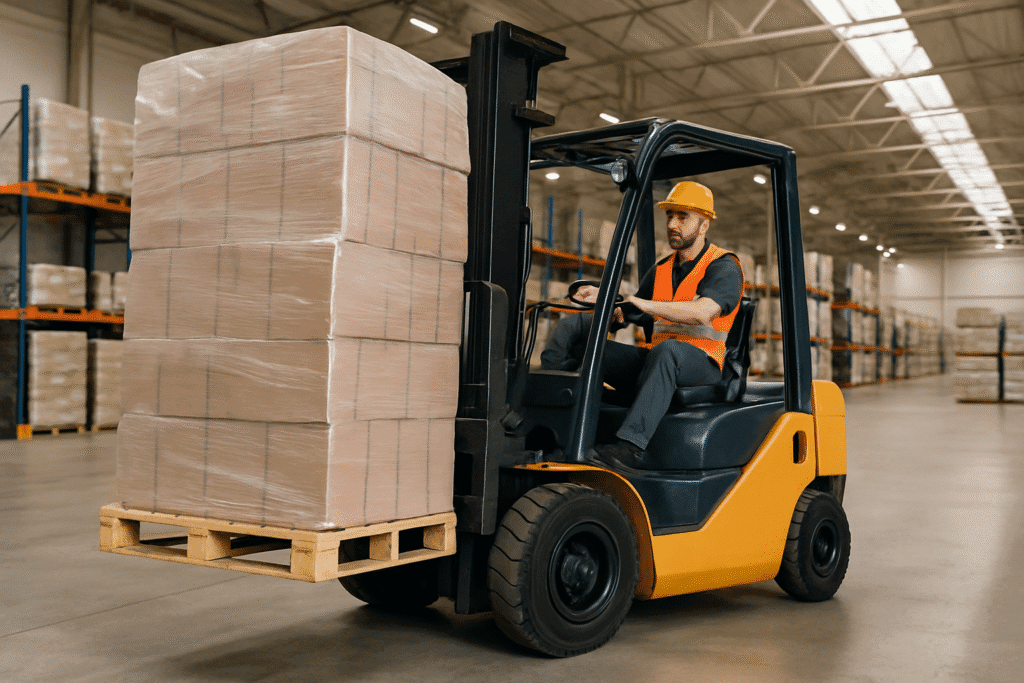
Introduction When it comes to material handling, forklifts are a staple in warehouses, construction sites, and shipping yards. One of the most frequently asked questions is: how much does a forklift weigh? The answer isn’t as straightforward as you might think—it depends on the type, capacity, and purpose of the machine. In this guide, we’ll break down forklift weights by type, explain why it matters, and help you make informed decisions for your operations. Why Forklift Weight Matters The weight of a forklift plays a crucial role in: Typical Forklift Weights by Type Here’s a breakdown of average forklift weights by category: 1. Electric Forklifts (Indoor Use) 2. Internal Combustion Forklifts (IC Forklifts) 3. Rough Terrain Forklifts 4. Heavy-Duty Forklifts How to Find the Exact Weight of a Forklift You can find a forklift’s weight in a few ways: Look for the “service weight” or “overall weight,” which includes the forklift’s frame, battery (if electric), and counterweight. Pro Tip: Forklift Weight vs. Load Capacity Don’t confuse a forklift’s own weight with its lifting capacity.Example: A forklift that lifts 5,000 lbs might weigh 9,000 lbs or more, because it needs to counterbalance what it lifts. Final Thoughts Understanding how much a forklift weighs isn’t just trivia—it’s essential for planning, safety, and logistics. Whether you’re buying, renting, or transporting a forklift, knowing the weight helps ensure smoother operations.

How Much Does a Forklift Weigh? Read More »

Truck dispatching services

Download Bill of Lading(BOL) Template

What Does a Bill of Lading-(BOL) Include? A Trucker’s Guide In the trucking and freight industry, the Bill of Lading (BOL) isn’t just paperwork—it’s the heartbeat of every shipment. Whether you’re a seasoned owner-operator, freight broker, or just starting out, understanding the BOL is crucial to protect your business and ensure smooth operations. Let’s break down what a Bill of Lading includes and why each part matters. What Is a Bill of Lading? A Bill of Lading is a legal document between a shipper and a carrier that details the type, quantity, and destination of the goods being transported. It acts as: Key Elements of a Bill of Lading Here’s what you’ll typically find in a well-prepared BOL: 1. Carrier Information Includes: 2. Shipper Information Details the origin: 3. Consignee Information Who’s receiving the load: 4. Shipment Description Clear details about what’s being hauled: 5. Pickup & Delivery Dates 6. Special Instructions 7. Freight Charges & Payment Terms Check boxes for: 8. Signatures Legal acknowledgement from: Why Is the BOL So Important? Final Thoughts Whether you’re moving freight across town or across the country, a properly filled Bill of Lading keeps everyone accountable and operations smooth. It’s more than a form—it’s your shipment’s safety net. Need a ready-to-use BOL template? Download Our Free BOL Template Here or click here if download does not start

Download Bill of Lading(BOL) Template Read More »

bobtail Truck

Understanding Bobtail Trucks: Definition, Types, and Key Considerations

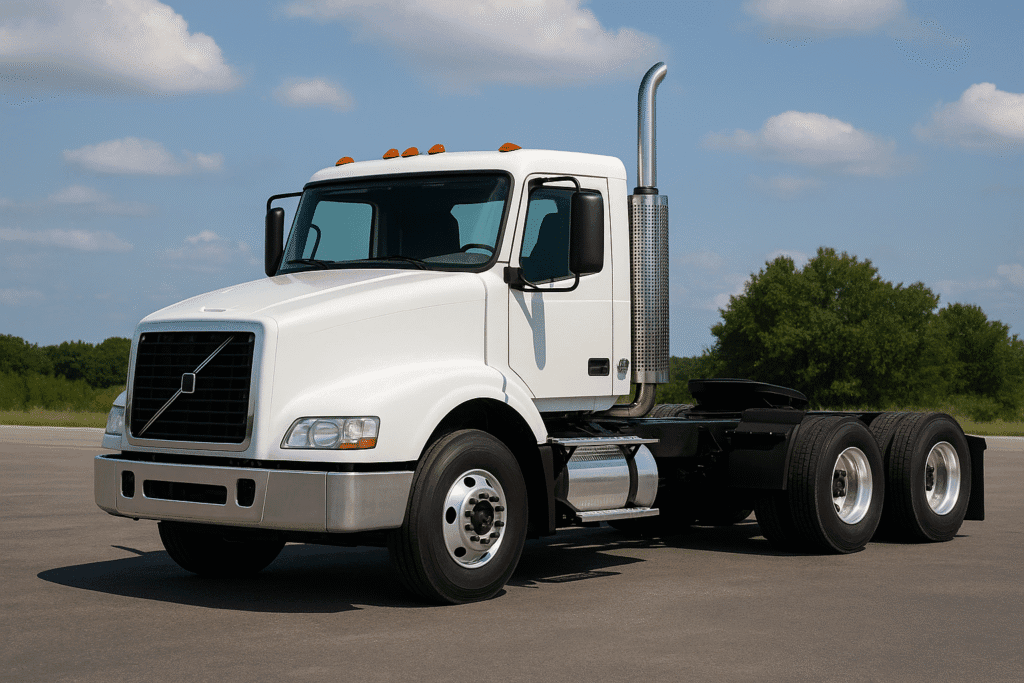
In the world of logistics, the term bobtail surfaces frequently—yet its meaning often puzzles those outside the trucking community. Simply put, a bobtail truck is a tractor unit driving without a trailer attached, a practice also known as “bobtailing.” Unlike “deadheading,” where an empty trailer remains hitched, bobtailing refers exclusively to the absence of the trailer itself. Refer to the Bobtail tractor image to visualize the absence of a trailer. A bobtail truck appears as a standard semi-truck without a trailer attached. It features a large cab and powerful tractor unit, typically with two or three axles, and a visible fifth-wheel hitch at the back—used to connect trailers. Without the trailer, the rear of the truck looks short and compact, giving it a “bobbed” or stubby appearance, which is where the name “bobtail” comes from. This setup makes it easier to maneuver but changes how the truck handles on the road. What Is Bobtail in Logistics? In logistics, understanding what is bobtail in logistics is essential for fleet planning and cost analysis. Bobtailing occurs when a truck moves between the terminal and a pickup site, or when it returns after unloading, generating no revenue while still consuming fuel and incurring maintenance costs. Origins of the Term The phrase “bobtail” traces back to imagery of animals and sleighs: The root word “bobtail” originally described creatures with shortened tails—horses, dogs, or cats—or more broadly, something curtailed. Types of Bobtail Trucks 1. Running Bobtail (Semi-Truck) A running bobtail truck is a full-size tractor unit operating solo, with its fifth-wheel left empty. 2. Small Bobtail Truck Small bobtail trucks are compact to medium straight trucks where all axles are mounted on a single chassis. These vehicles often haul lighter loads—dump materials, bakery goods, or eggs—when operating with an integrated cargo body and no detachable trailer. 3. Propane (Straight Tank) Bobtail A bobtail propane truck features a permanently attached tank—commonly around 5,000 gallons—for fuel delivery, another variation of bobtail equipment embraced by fuel distributors. 4. Bobtail Dump Truck In municipal and construction contexts, a Bobtail dump truck carries its dumping body as part of the chassis, offering maneuverability for small-scale hauling without a separate trailer. 5. Bobtail Box Tuck Occasionally, drivers refer to box trucks stripped of their detachable bodies as Bobtail box tuck, using informal slang to describe a similar bobtailing concept. Key Bobtail Equipment Operating efficiently—and safely—a bobtail rig relies on: Safety Considerations Bobtail trucks pose unique risks: Regulatory and Licensing Notes Operating a bobtail rig typically requires a valid Bobtail Tractor CDL, as these tractor units fall under commercial vehicle regulations. Always verify local CDL requirements for your specific vehicle class before deployment. Choosing the right Bobtail Tractor for your specific application—from airport cargo tugs to construction and municipal services—will optimize performance and minimize downtime. Whether you manage a fleet of straight propane trucks or deploy small bobtail trucks for last-mile deliveries, understanding the nuances of bobtailing is key to safe, efficient operations.

Understanding Bobtail Trucks: Definition, Types, and Key Considerations Read More »

American Truck

Truck Driver Duties & Responsibilities: A Complete Breakdown

Being a truck driver is more than just moving freight from Point A to Point B. It’s a job that blends logistics, safety, technology, and customer service into one critical role. Whether you’re a seasoned pro or just starting your driving career, understanding the full scope of a truck driver’s responsibilities is essential for long-term success in the industry. Primary Transportation Duties Truck drivers form the backbone of the logistics industry, keeping supply chains moving and businesses stocked. But what exactly goes into their day-to-day responsibilities? In this section, we’ll break down the primary transportation duties that define a truck driver’s role on the road. 🛣️ Operating Commercial Vehicles At the core of the job, truck drivers operate various types of commercial vehicles depending on the nature of the cargo. These may include: Each vehicle type requires a specific skill set, and drivers are trained and licensed accordingly to handle them safely and efficiently. 🛣️ Following Assigned Routes and Schedules Time is money in the logistics world. Drivers are expected to follow precise routes and delivery schedules, which are often pre-planned by dispatchers or route optimization software. Adhering to the schedule ensures timely deliveries and helps maintain strong relationships between suppliers and customers. Additionally, drivers must be flexible and prepared to make real-time adjustments in case of unexpected delays like traffic, road closures, or weather disruptions. 🛣️ Safe and Efficient Transportation of Goods Beyond just driving from point A to point B, truck drivers are responsible for the safety and security of the cargo. This includes: Efficiency is also key. Conserving fuel, reducing idle time, and optimizing rest breaks are all part of a skilled driver’s approach to transportation. 🛣️ Loading and Unloading Cargo While not all routes require it, many drivers are expected to assist with loading and unloading cargo. This may involve: For some drivers, especially those handling local or regional deliveries, this hands-on aspect is a regular part of the job. Cargo Management While driving may be the most visible part of a truck driver’s job, managing cargo is just as critical. A misloaded or unsecured shipment can cause delays, safety hazards, or even legal trouble. That’s why skilled drivers take cargo management seriously, from pickup to final delivery. 📦 Ensuring Proper Loading and Securing of Cargo Before hitting the road, drivers must ensure that all cargo is loaded correctly and secured properly. This involves: Failing to secure cargo can result in damaged goods or, worse, accidents on the road. 📦 Inspecting Loads for Accuracy and Compliance A big part of the job is confirming that the cargo matches the shipment order and complies with state and federal weight regulations. Drivers routinely: This attention to detail helps avoid costly delays, fines, or re-routing. 📦 Handling Shipping Documents Every shipment comes with its fair share of paperwork—and it’s up to the driver to manage it properly. Key documents include: Accurate and timely documentation ensures a smooth handoff and keeps the supply chain moving without hiccups. Vehicle Inspection & Maintenance Behind every smooth delivery is a well-maintained truck. Vehicle inspection and maintenance aren’t just optional—they’re a daily responsibility that ensures safety, prevents breakdowns, and keeps operations running on schedule. 🔧 Conducting Pre-Trip, In-Transit, and Post-Trip Inspections Professional drivers are trained to inspect their vehicles at multiple points throughout the day. These inspections help catch issues early and ensure compliance with DOT regulations. These steps are not only required by law but also essential for avoiding costly delays or accidents. 🔧 Checking Key Systems and Equipment During inspections, drivers pay close attention to critical systems such as: Any malfunction, no matter how small, can have serious consequences on the road. 🔧 Reporting Mechanical Issues Promptly If a problem is found, drivers must report it to the maintenance team immediately. Timely communication helps prevent bigger breakdowns, keeps trucks roadworthy, and ensures that repairs are logged for compliance purposes. Drivers may also use digital apps or paper logs to submit vehicle condition reports as part of the fleet’s maintenance tracking system. 🔧 Keeping the Vehicle Clean and Road-Ready A clean truck isn’t just about appearances—it also improves visibility, boosts morale, and reflects professionalism. Drivers are expected to: This day-to-day upkeep contributes to a safer and more efficient working environment. Regulatory Compliance Driving a truck isn’t just about transporting goods—it’s about doing it legally, safely, and responsibly. Regulatory compliance plays a major role in a truck driver’s daily routine, ensuring that both drivers and carriers operate within the framework of federal, state, and company laws. ⚖️ Adhering to DOT and FMCSA Regulations Truck drivers must follow strict rules set by the Department of Transportation (DOT) and the Federal Motor Carrier Safety Administration (FMCSA). These regulations cover everything from safety protocols and equipment standards to weight limits and driver qualifications. Failure to comply can result in hefty fines, penalties, or even suspension of driving privileges—so staying up to date with changes is part of the job. ⚖️ Maintaining Accurate Driving Logs and Hours of Service (HOS) To prevent driver fatigue and improve road safety, truckers are required to log their Hours of Service (HOS). These logs track: Most carriers use electronic logging devices (ELDs) to automate this process. It’s the driver’s responsibility to ensure that these logs are accurate and compliant with FMCSA rules. ⚖️ Obeying Traffic Laws and Company Policies Safe driving goes beyond federal regulations. Drivers must obey all local traffic laws, speed limits, and road signage—especially in construction zones, urban areas, and school zones. In addition, each company may have its own internal policies, covering things like: Professional drivers maintain compliance with both public and private rules to protect their careers and reputations. ⚖️ Keeping Permits and Licenses Up to Date Before getting behind the wheel, a driver must hold a valid Commercial Driver’s License (CDL) appropriate for the vehicle type. Additional endorsements may be required for hauling: Drivers must also ensure their medical cards, permits, and any other required documentation are current and on hand in case of inspections

Truck Driver Duties & Responsibilities: A Complete Breakdown Read More »